
Get ready to conquer the toughest trails in style and comfort! In our new post, we will dive into the exciting world of mountain biking clothing. Whether you are an experienced cyclist or just starting to pedal on rugged terrain, you will find in this article all the information you need to look great and maximize your performance on the bike. From the most advanced technical garments to essential accessories, you will discover how to dress appropriately to fully enjoy the adventure and adrenaline that only mountain biking can offer. Are you ready to equip yourself with the best gear and face the challenges of the trail?
When it comes to mountain biking, choosing the right clothing goes beyond just looking good on the bike. Technical clothing specifically designed for this sport plays a crucial role in your performance and how you enjoy every ride on the trails. From body temperature control to protection against the elements, each garment is designed to tackle the unique challenges that mountain biking presents.
The importance of wearing the right clothing in mountain biking
Mountain biking is a sport that involves a lot of physical effort and requires great technical skill. The right clothing is essential to protect the cyclist from weather conditions and terrain, as well as to enhance performance and comfort.
Additionally, the right clothing can also increase the cyclist's safety on the mountain.
Different types of clothing for cyclists
Mountain biking clothing is divided into different types based on their function. Here are some of the most common:
Cycling jerseys
Cycling jerseys are lightweight and breathable to keep the cyclist cool during exertion. They are usually made from quick-drying materials to prevent sweat from accumulating on the skin.
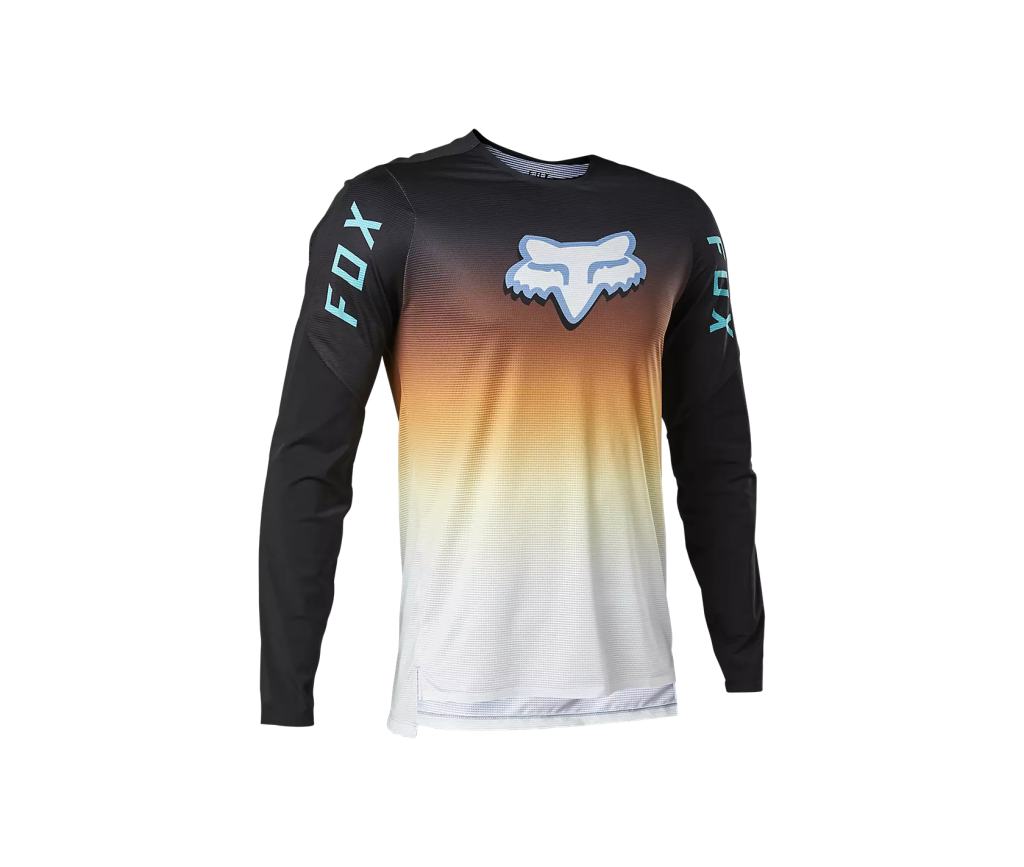
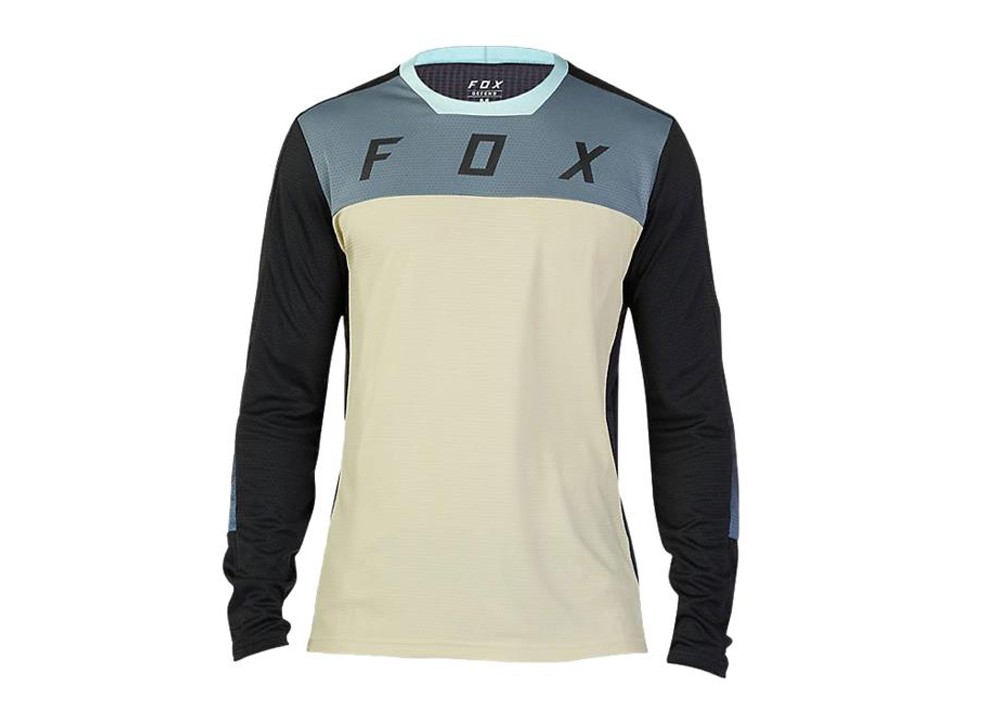
Cycling shorts
Shorts are tight-fitting pants designed to be comfortable during long days in the mountains. These pants usually have padding in the seat area to reduce friction and prevent pain.
Cycling jackets
They are wind and water resistant to protect the cyclist from adverse weather conditions in the mountains. They also often have reflective elements to increase the cyclist's visibility.
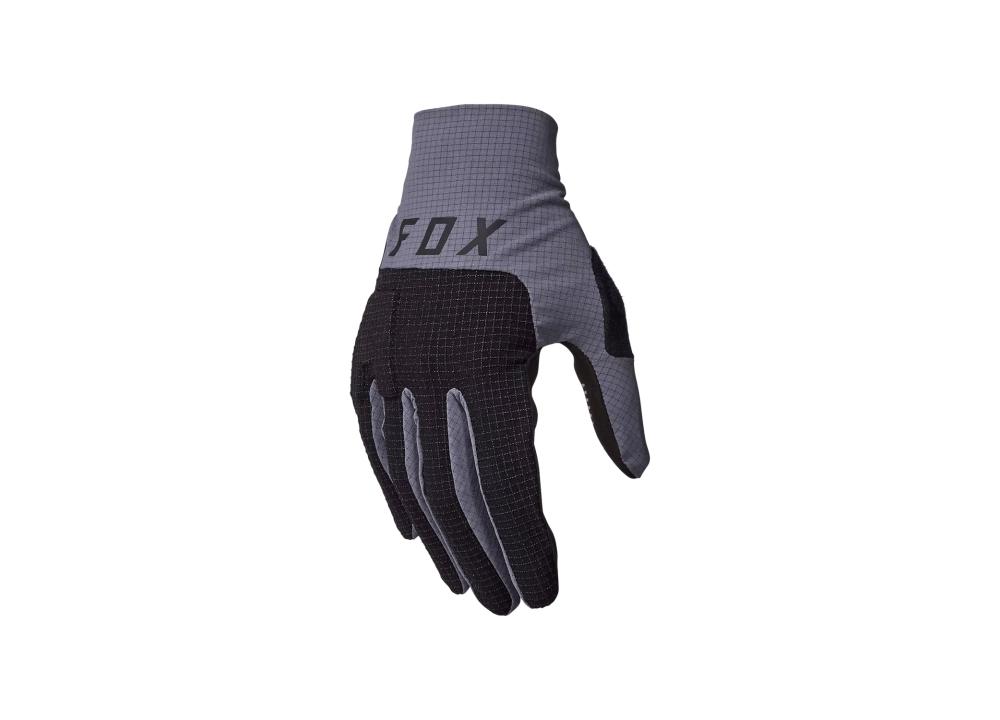
Cycling Gloves
The gloves protect the cyclist's hands from impacts and friction in the mountains. Additionally, they help absorb sweat and prevent the hands from slipping off the handlebars.
Essential Accessories for Mountain Bikers
In addition to the main garments, accessories play an essential role in the cyclist's experience. Investing in quality gear can make the difference between a comfortable ride and one filled with discomfort.
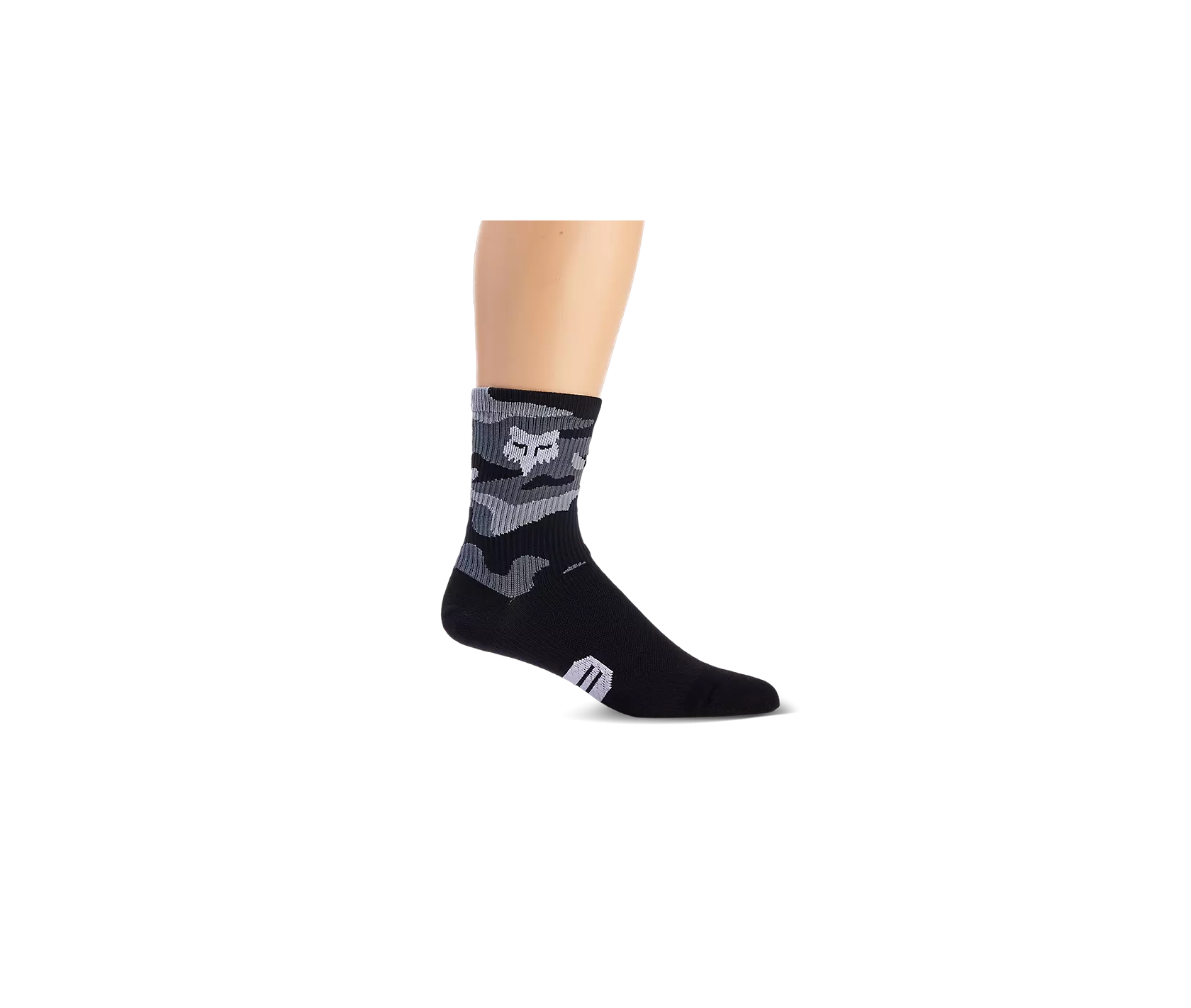
1. Technical Socks
Made with breathable and quick-drying fibers, they help keep feet dry and prevent blisters. In winter, opt for thermal or merino wool versions to retain warmth.
2. Cycling Glasses
They protect the eyes from dust, mud, UV rays, and branches during descents. Photochromic lenses are ideal for adjusting visibility based on the surrounding light.
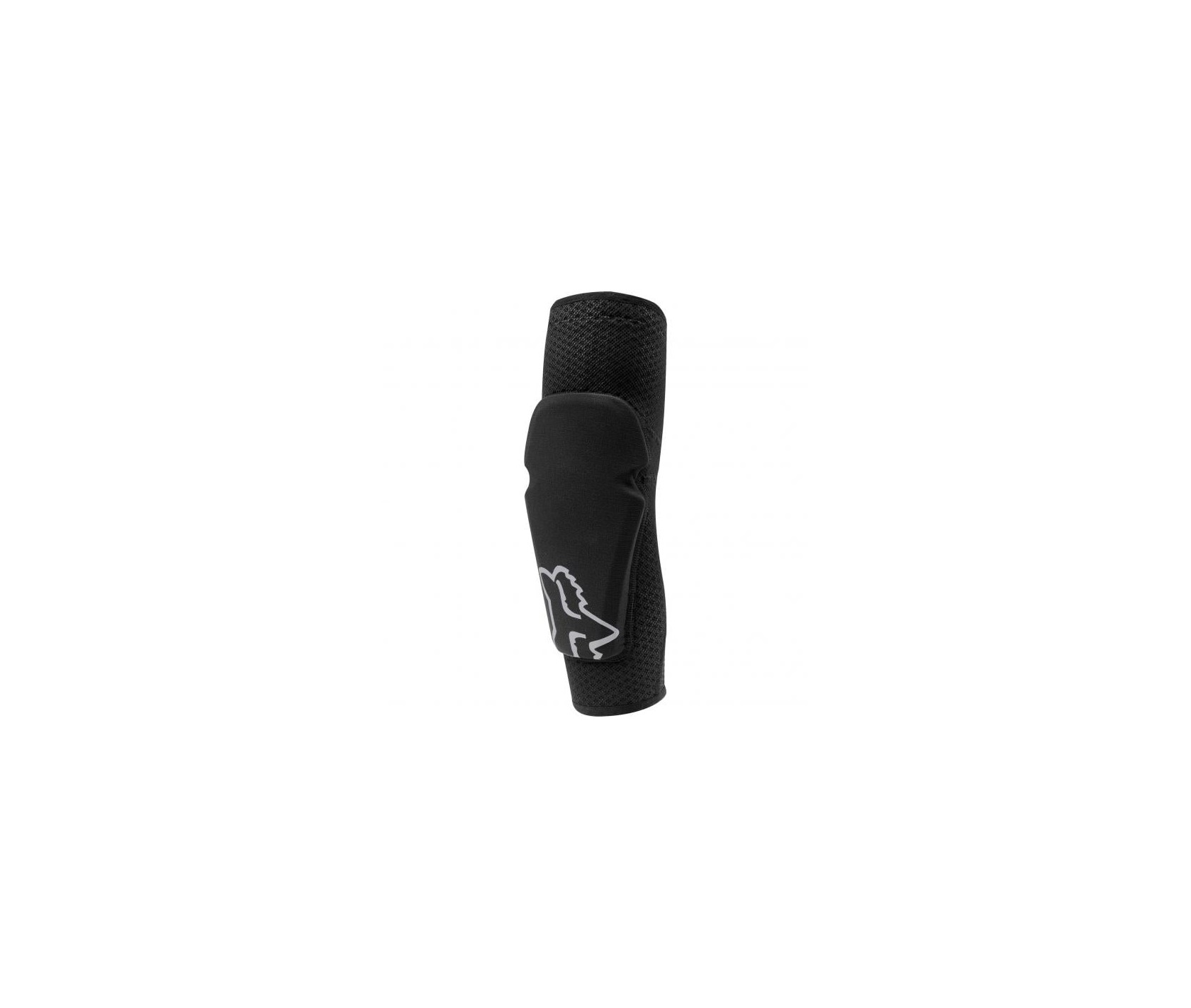
3. Protectors and Knee Pads
In mountain biking, falls are part of the adventure. Knee, elbow, and back protectors provide an extra layer of safety, especially on technical routes or steep descents.
4. Hydration Backpacks
Ideal for long routes, they allow you to carry water, tools, food, and a light jacket without compromising mobility. Specific MTB models include ventilation systems and ergonomic adjustments.
How to Choose Cycling Clothing According to Route Type
Each type of ride requires different clothing. A day of enduro is not the same as an XC route or a recreational outing.
-
XC (Cross Country): look for lightness, aerodynamics, and fabrics that promote breathability.
-
Enduro or All Mountain: opt for looser, durable clothing with reinforcements in key areas.
-
Downhill (DH): prioritize protection, with padded jackets, long pants, and integrated protections.
Adapting clothing to the riding style ensures comfort, performance, and greater safety.
Mountain Biking Clothing for All Seasons
Regardless of the time of year you practice mountain biking, it is important to adapt your clothing to the weather conditions. In summer, opt for lightweight and breathable garments that help keep you cool. In winter, look for thermal layers that provide warmth without adding too much bulk. The key is to be flexible and prepared for any changes in the weather.
How to Choose the Right Size and Fit?
It is essential to choose the correct size and fit for mountain biking clothing. An improper size can limit freedom of movement and cause chafing and discomfort.
Therefore, it is important to accurately measure the different parts of the body to find the right size. It is also important to adjust the clothing properly to prevent it from shifting or rubbing during pedaling.
Materials such as polyester, spandex, and elastane are common in mountain biking clothing due to their ability to wick moisture and keep the cyclist comfortable.
Protection and Safety
Protection and safety are essential aspects of mountain biking. Clothing specifically designed for this sport can make a difference in terms of safety for cyclists.
For example, biking jackets can incorporate high-visibility reflective elements to increase the cyclist's visibility on the road, while shorts may feature padding that helps reduce the risk of injury in case of impact.
It is highly recommended to use a helmet, glasses, and gloves, as these accessories can significantly reduce the risk of injuries and impacts.
Care and Maintenance of Mountain Biking Clothing
Proper care and maintenance can extend its lifespan and ensure its effectiveness. It is important to wash biking clothing after each use to remove dirt and accumulated sweat.
Additionally, it is advisable to use mild detergents and avoid using fabric softeners, as these can damage the properties of cycling clothing. It is also important to store cycling clothing in a dry and ventilated place to prevent moisture buildup and unpleasant odors.
Final tips for optimal performance
-
Dress in layers: allows you to easily adapt to temperature changes.
-
Avoid cotton: retains moisture and can cause discomfort.
-
Fit your clothing well: a garment that is too loose or too tight will affect your mobility.
-
Take care of your technical garments: always follow the manufacturer's instructions to maintain their properties.
With the right clothing, every pedal stroke will be more comfortable, safe, and efficient. Remember that investing in quality not only improves your performance but also your enjoyment on the bike.
To keep your cycling clothing in optimal condition, we recommend checking out MSRBikes. We have clothing and mountain biking accessories.